Change language

XPANCA Solutions

Digitalisation that follows the way you work.

We map the work that takes up the most time, then choose the most sensible way forward: automate repetitive work without changing your team's habits, or build an integrated system around the way you work.

A team talking around a table, mapping out a workflow on paper and sticky notes.
  1. Core problem
  2. Workflow
  3. A system that fits

Ready-made products

Two service paths

Two ways to start, one centre for your data.

Choose whichever suits your situation; there is no order to follow. Both lead into HUB and can be built on whenever you are ready.

Practical

Automation & Data Bridges

Efficiency without changing habits.

For
You already have a way of working in place, but a lot of work is still repeated by hand.
Examples of the work
  • The team keeps filling in the Excel files or daily reports it already uses. We prepare the data automatically as dashboards, books or reports.
  • Automated tools do the recap that is usually compiled every day.
  • The point-of-sale app you use today is connected to the bookkeeping app, so data is collected automatically without entering it twice.
Products used
Partner API

Whether two apps can be connected is checked at the start, before scope and cost are agreed.

Comprehensive

Integrated System

Built around the way you work.

For
Organisations that want to build connected operations and accounting straight away, or that already automate and want to go further.
Examples of the work
  • The processes already running are mapped, then a system is put together that can follow them.
  • Sales, stock and finance all flow into HUB as one source of data.
  • Books are kept in order from the start, with support from the accounting and tax team of PT Gerbang Digital Nusantara.

Whatever HUB does not yet cover is built or adapted to follow your processes.

HUB

Where both paths lead

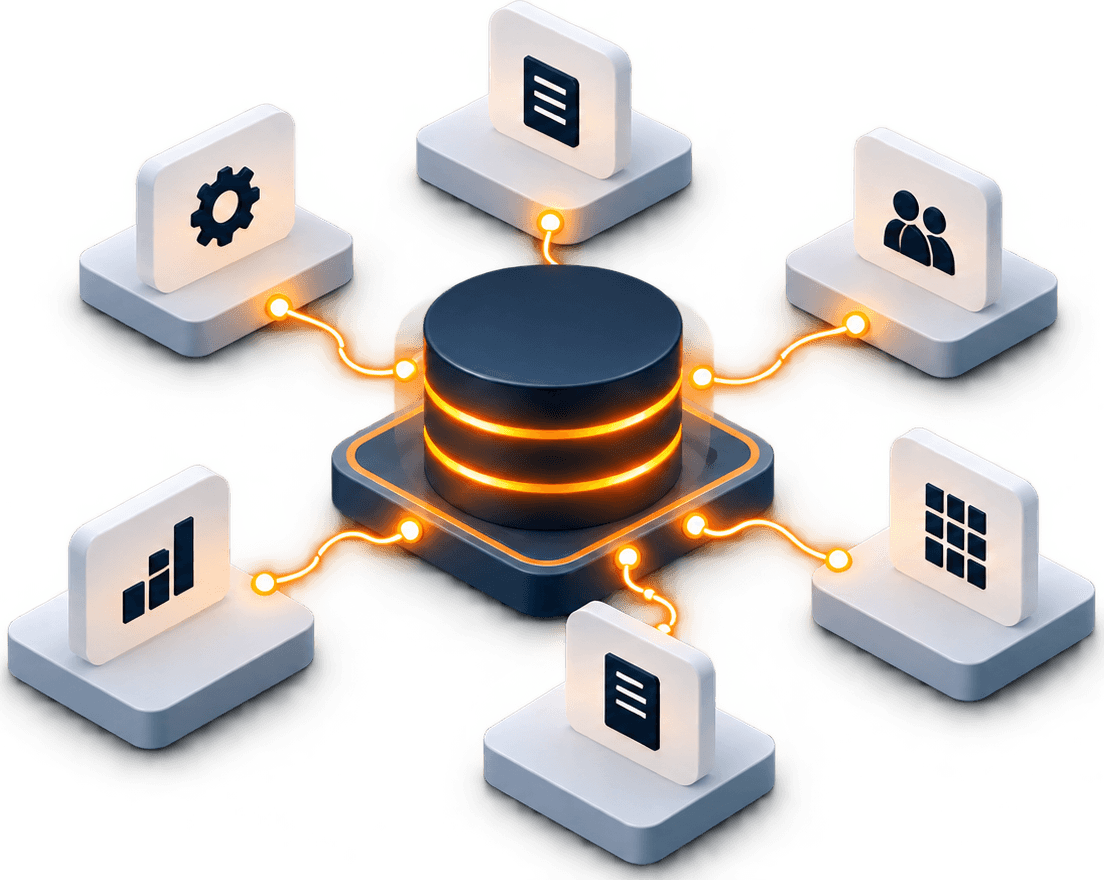
The accounting app, one source of data

Whichever path you take, the data flows into HUB. Every transaction updates stock and the journal straight away, so everyone sees the same figures and reports are ready without a manual recap.

  • Sales
  • Purchasing
  • Stock & Warehouse
  • Accounting
  • Reports
  • Fixed Assets
See HUB

Forms of implementation on both paths

  • Ready-made

    Products that already exist, used with minimal configuration.

  • Adapted

    HUB or an existing foundation, configured to follow your processes.

  • Purpose-built

    For unique workflows, bridges between apps, and integration.

Need the devices and network too? We can supply Android tablets, point-of-sale devices, PCs, CCTV and networking.

Find your path

Not every organisation starts from the same place. Choose the way that makes it easiest to recognise what you need.

Real implementation

From separate apps to a system that works as one.

XPANCA began by mapping GDN's operations and ways of working, then designed an integrated system that fits the needs of each business unit.

Discuss a Similar System

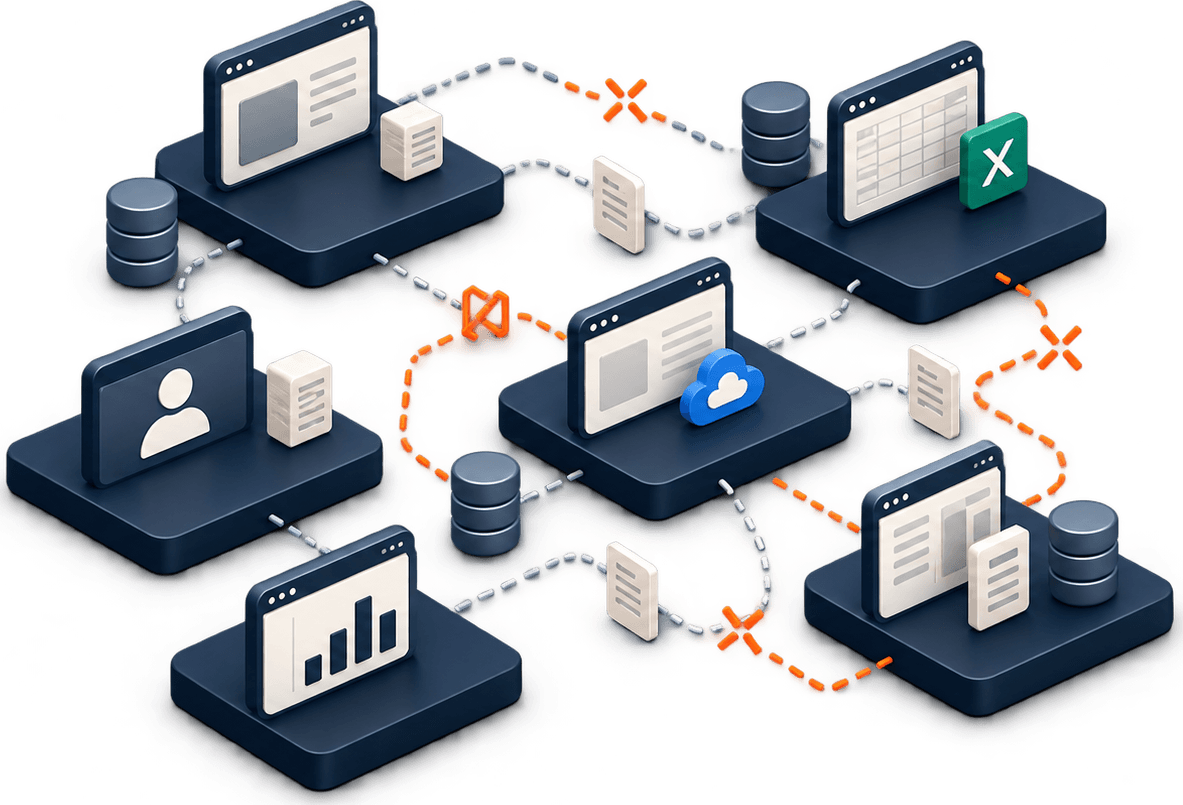
Before

More apps. Operations still separate.

Systems
Hard to modify for cross-unit needs.
Data & Processes
Spread across several apps and logins.
Vendors & Cost
Split across many vendors; subscription costs kept rising.

XPANCA mapping

Mapping processes · Finding the core problem · Designing the flow

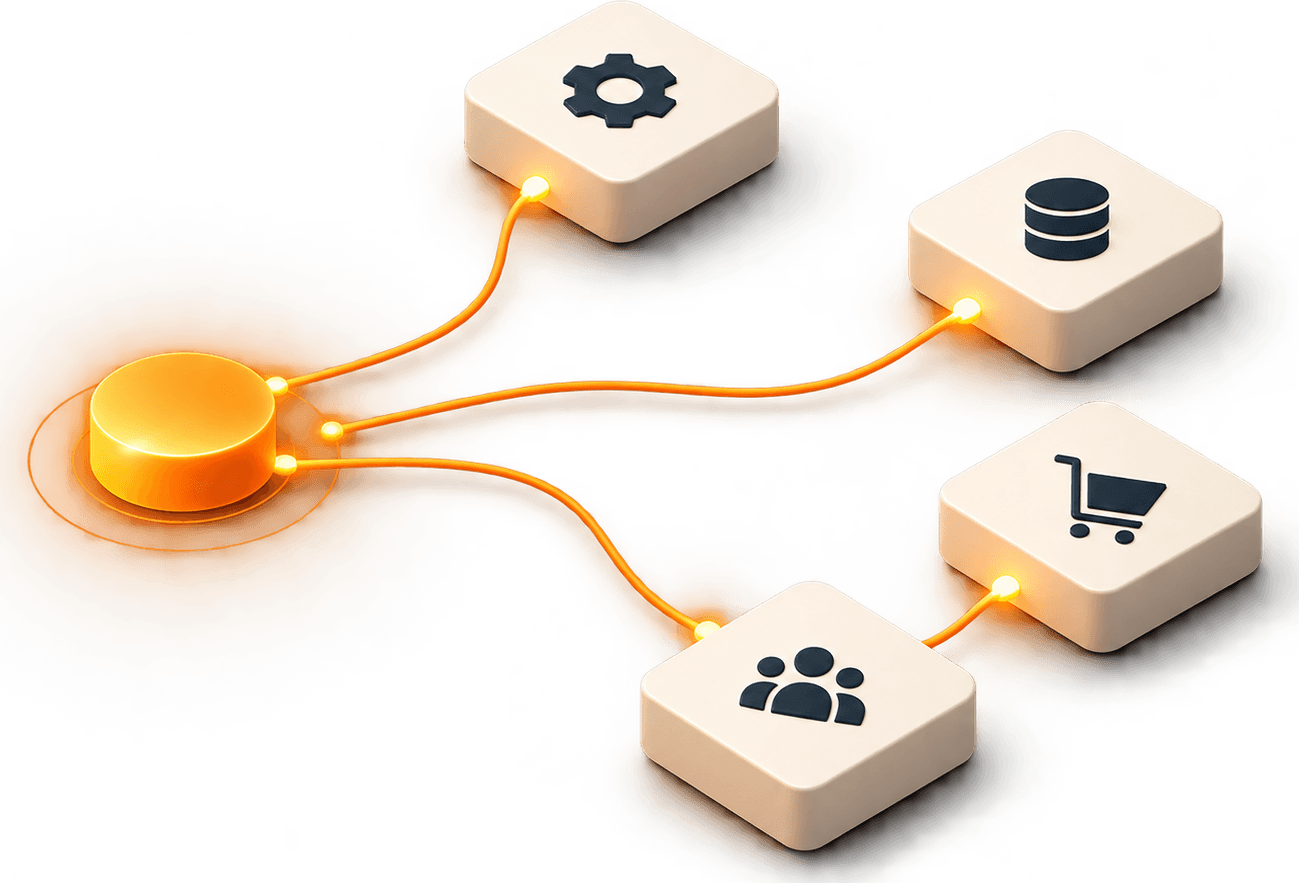
Integrated

The system follows how the organisation works.

Systems
Relevant apps connected; new functions developed.
Data & Processes
Connected and accessible in one flow.
Vendors & Cost
Managed in one place; no longer spread across many vendors.

Common questions

Before you start, here is what you may want to be sure of.

Find answers about initial mapping, ready-made products, integration, system development, and support after implementation.

  • No. If your needs and workflow are already clear, you can go straight to the products that are available. Initial mapping is needed when the core problem, the processes, or how systems relate to each other still need untangling.

  • Yes. Implementation can start with the most pressing need, then be extended and connected step by step when the organisation is ready.

  • Not necessarily. Systems that are still relevant can be kept and integrated. XPANCA will assess which parts need connecting, adapting or replacing.

  • Ready-made products can be used with minimal configuration. Adapted means existing workflows or functions are changed to follow your process, while purpose-built means a system is built around the organisation's unique needs.

  • It depends on the scope, how complex the integration is, and how ready the data is. A work estimate is given once the needs and the implementation flow are understood.

  • Cost is based on the scope, the number of modules, the degree of customisation, the integration required, and the support needed—not simply the number of features.

  • XPANCA can support the implementation, review how the system is being used, and handle fixes, maintenance and further development as the organisation needs.

Next step

Start from the need that is most real.

Tell us about the process you want to tidy up, the systems that need connecting, or the products you want to use straight away. We will help you find the most sensible first step.

No technical brief needed. Just start from the problem you are facing.